
[This is an earlier review I wrote roughly five years ago.]
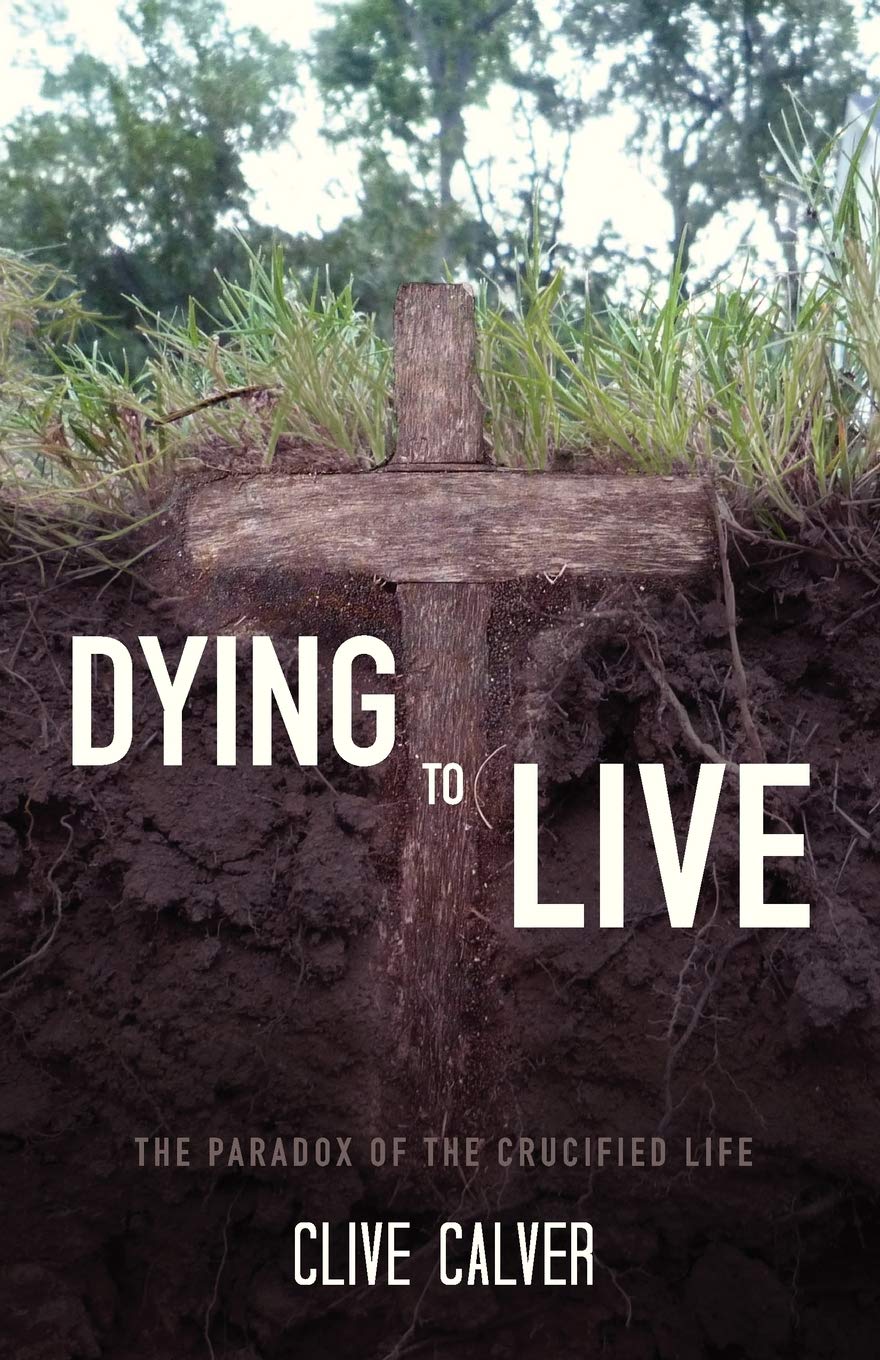
Clive Calver has written a brief, provocative book on Jesus’ startling remark: “If anyone wishes to come after Me, he must deny himself, and take up his cross daily and follow Me.” (Luke 9:23) Consumer Christianity is an expression to describe the modern Christian phenomenon that one’s Christian experience is just like anything else one might buy: a home, a car, laundry detergent, french-fries, etc. Whenever your current “place of worship” is no longer satisfying your worship needs, do what any other intelligent consumer would do: switch brands. This usually amounts to finding a new “place of worship” so that it meets your needs. Forget about conflict resolution; forget about taking part in change; forget other members in your community’s needs; but definitely be sure to forget about obeying God or glorifying Him. Bottom line: what’s in it for you? Calver never explicitly refers to his target using the expression Consumer Christianity, but he leaves no doubt that this self-centered, pragmatic orientation is a recipe for spiritual destruction.
Many are not so crass in their spiritual ambitions. Calver is equally eager to help long-time Christians who find themselves spiritually starving and desperately foraging for spiritual panaceas: increasing volunteer hours, ingesting all the newest Christian literature, etc. Calver claims that we need to completely reorient our thinking:
I was looking for resurrection in my Christian life. The only problem was that I hadn’t foreseen that resurrection is necessarily preceded by crucifixion. There has to be a kind of death before one can be resurrected and enter into new life.
The truth was, all the time I was looking in the wrong direction. I had been searching for something new to add to my spiritual life, but God wanted to subtract my intrusive will and replace it with his will.
Dying to Live, p. 6
Certainly, volunteering and reading are both good; nevertheless, Calver’s arguing that if we’ve developed this kind of fix-it attitude towards our spiritual lives, we’ve placed the cart before the horse: death comes first.
One might be tempted to see Calver as advocating some kind of super-spiritual “navel-gazing”: change the way you think and all will be better. This book is not abstract nonsense. “Like a valuable gemstone, the Christian life has many facets. Each chapter of this book deals with one facet.” (Calver, 10) The facets (chapter topics) include crucifixion, personal surrender, discipleship, giving and others. To concretely illustrate these facets, Calver provides a variety of personal, historical and international anecdotes. Many of the figures Calver describes are hard-core slaves of righteousness who have grasped Christ’s call to the cross in both word and deed. In one case, Calver tells the story of a Rwandan woman named Beatrice. Her husband had been badly beaten during the genocidal conflicts between Hutus and Tutsis of the early 1990’s. Many years later she unexpectedly found herself sharing the table of fellowship with the man who had savagely beaten her husband. She never so much as received an apology or even faint recognition of this horror that had so severely scarred her family. Beatrice persevered through both the injury and the added insult of the injurer’s near-absurd failure to even remember the incident. This reminds us Christ’s words, “Father, forgive them; for they do not know what they are doing”––a plea uttered for those who had nailed his limbs to a post! (Luke 23:34) Even from fellow believers, we might not always find basic human decency, let alone the special handling that advertisements tell us we “deserve.” Christ calls on us to love even our enemies. Calver provides implicit guidance for living the crucified life through commenting on examples just like Beatrice’s.
Take care that you don’t let reading this book be another quick fix for your spiritual life. Calver tells the story of Major W. Ian Thomas. After years of spiritual striving and frustration, Thomas received an inner sense from God along these lines: “You see, for seven years, with utmost sincerity, you have been trying to live for Me, on My behalf, the life that I have been waiting for seven years to live through you.” (Thomas, quoted in Calver, 84) Get out of Jesus’ way. Let Him live his crucified life through you.

 A Critical Reeder